
Ask most people what it takes to be a cleaner and they'll shrug: a mop, a bucket, and some effort. It's one of the most persistent — and most costly — misconceptions in facility management. The truth is that professional cleaning is a skilled trade, and the difference between a trained cleaner and an untrained one shows up in places that matter enormously: infection rates, workplace accidents, equipment lifespan, and even a company's legal exposure.
Cleaning is chemistry, not just elbow grease
Every professional cleaner works with chemicals daily — disinfectants, degreasers, descalers, sanitisers. Used correctly, they protect health. Used incorrectly, they can be dangerous. Mixing chlorine bleach with acidic cleaners releases toxic chlorine gas. Using the wrong product on the wrong surface destroys expensive finishes. Under-diluting wastes money; over-diluting leaves surfaces looking clean but still contaminated.
Trained cleaners understand dwell time — the period a disinfectant must remain wet on a surface to actually kill germs. An untrained cleaner sprays and immediately wipes, achieving little more than a cosmetic shine. In a hospital ward or hotel kitchen, that difference is the difference between hygiene and the illusion of hygiene.
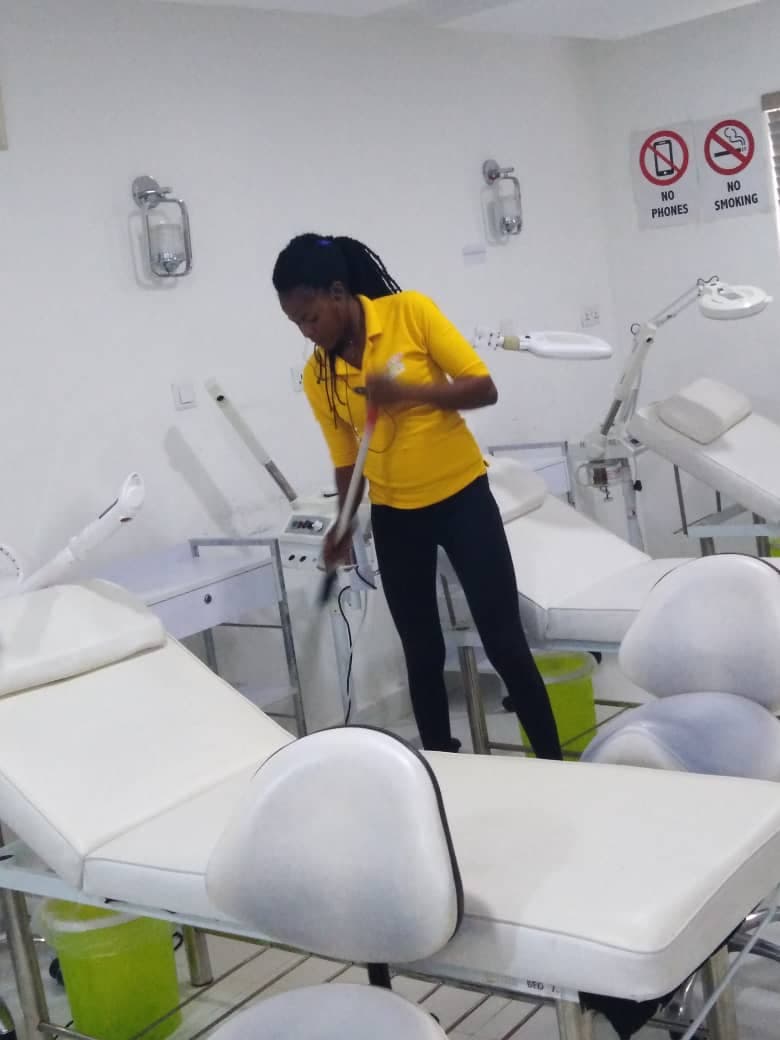
The hidden safety stakes
The International Labour Organization estimates that unsafe cleaning practices contribute to thousands of preventable workplace injuries every year — chemical burns, slip-and-fall accidents from improper wet-floor procedures, respiratory harm from poor ventilation during chemical use, and cross-contamination incidents in food and healthcare settings.
Cross-contamination deserves special attention. A cloth used on a toilet and then on a door handle actively spreads pathogens through a building. Professional training instils colour-coded cloth and mop systems — red for sanitary areas, blue for general surfaces, green for kitchens — a simple discipline that dramatically cuts the spread of infection. Untrained staff, through no fault of their own, simply don't know these systems exist.
There's also the equipment dimension. Modern professional cleaning relies on machines — rotary scrubbers, hot-water extraction units, industrial vacuums with HEPA filtration. In untrained hands these machines are hazards; in trained hands they deliver results no amount of manual scrubbing can match.
Why it matters most in high-stakes environments
In hospitals and clinics, cleaning staff are genuinely part of the infection-control team. Studies show that improved cleaning protocols alone can cut hospital-acquired infections significantly. In hotels, cleanliness is the single biggest driver of guest reviews. In embassies and secure facilities, cleaning personnel need discipline, vetting, and protocol awareness that goes far beyond the mop. In offices, the quality of cleaning quietly shapes sick-day rates and staff morale.
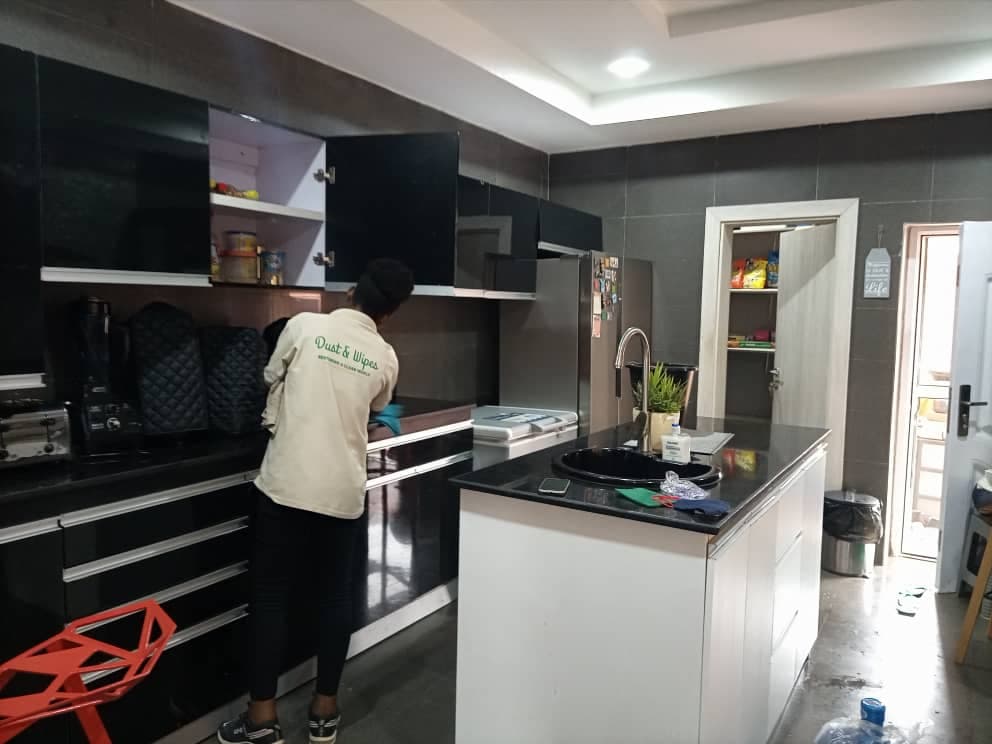
Training transforms the cleaner too
There's a human side to this. When cleaning staff are trained, certified, and properly equipped, their work changes character — from casual labour to a profession with standards, career progression, and dignity. Trained cleaners take visible pride in their work, stay longer with employers, and become trusted custodians of the spaces they maintain. Investing in cleaner training is one of the rare decisions that improves safety, quality, staff retention, and morale simultaneously.
What to look for in a cleaning provider
Whether you manage a hospital, hotel, embassy, school, or office, ask any prospective cleaning provider these questions: Are your staff formally trained, and in what? Do you use colour-coded systems to prevent cross-contamination? Are your chemicals certified and correctly diluted? Are staff trained on the equipment they operate? Can you show vetting and supervision processes? A professional provider will answer confidently; the rest will improvise.

Our commitment at Dust & Wipes
At Dust and Wipes Limited, this philosophy is in our DNA — our company was founded on the belief that cleaners deserve proper training, fair treatment, and professional respect. Beyond delivering cleaning services, we offer professional training programmes for cleaners and pest control technicians, covering chemical safety, infection control, equipment operation, and workplace protocols. Our goal is simple: to raise the standard of cleanliness and safety in Abuja's workplaces — hospitals, hotels, embassies, offices, and beyond — one trained professional at a time.
If your organization would like to train its cleaning team, or you'd like your facility cleaned by personnel trained to these standards, contact us today. Cleanliness is too important to leave to chance.